- Acute Appendicitis: This is by far the most prevalent, in which the appendix is extremely swollen and surgery is necessary to avoid burst.
- Chronic Appendicitis: It is less frequent, has more subtle symptoms that may be intermittent, and is therefore difficult to diagnose.
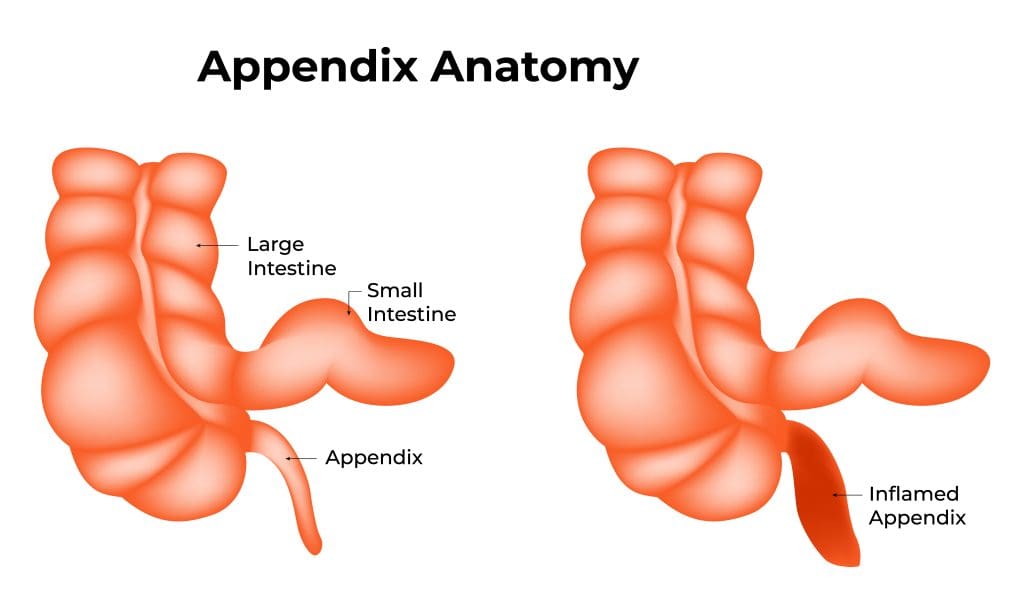 What causes Appendicitis?
Septicaemia, trauma, and barotrauma don’t cause appendicitis, but they are recognised risk factors. These include:
What causes Appendicitis?
Septicaemia, trauma, and barotrauma don’t cause appendicitis, but they are recognised risk factors. These include:
- Fecaliths (hardened stool): The most frequent type, in which sometimes even tiny pieces of feces interfere with the appendix.
- Infections: Inflammation of the appendix can be triggered by infections within the gastrointestinal system or in other parts of the body.
- Foreign objects or tumors: It is also important to note that, although not very common, an object or tumor may lump up in the appendix, hence causing appendicitis.
- Early Inflammation: Symptoms are weak initial pain sensations that escalate over time.
- Suppurative Appendix: It more or less localizes in the RLQ as a sharp pain that is almost intolerable and radiates to the groin. This is followed by other symptoms such as fever, nausea, and vomiting.
- Gangrenous Appendix: Appendix blood circulation is cut off, thereby requiring surgery to avoid rupture if the appendix is blocked.
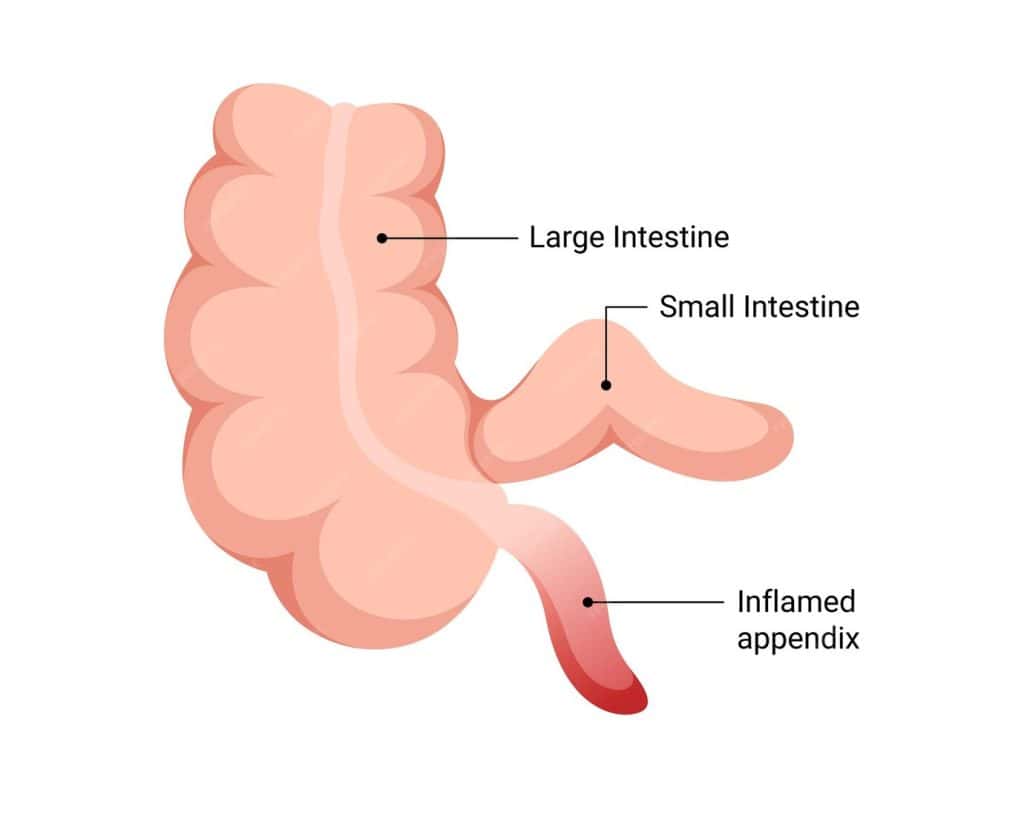
- Perforated Appendix: The appendix bursts, and the stuff from the appendix goes to the lower abdomen and causes peritonitis, which is an infection.
- Abscess formation: infection that needs to be drained and that affects only a small area.
- Peritonitis: A serious infection of the abdominal wall, where cellulitis may develop if the appendix ruptures.
- Sepsis: A severe invasive infection that may affect several parts of the body.
- Physical exam: A doctor will look for pain in the lower right abdomen or examine the patient's tenderness in relation to rebound pain.
- Blood tests: Leukocytosis implies infection in many clinical settings.
- Imaging tests: X-rays or ultrasounds may, however, be used to check the appendix, if it is swollen or compressed in the abdomen.
Plans for Appendicitis Treatment
What is worse is that once one is diagnosed, treatment cannot be delayed as it is with other diseases. The conventional therapy is an appendectomy, which involves surgical removal of the appendix. However, the approach to achieving this can differ depending on the conditions of the case.- Antibiotics first: In such little signs of infection, the client is given antibiotics to minimize infection before surgery. Occasionally, especially when the condition is extremely mild, only antibiotics may be sufficient.
- Appendectomy: The benchmark for most scenarios for this surgery can be open surgery or a laparoscopic surgery, where only small incisions are made to heal quickly.
- Abscess drainage: If the appendix has formed an abscess, the patient may require drainage before going through the operation.
 The Road to Recovery: What to expect
Appendicitis surgery recovery is usually uneventful and patients should avoid exerting themselves too much. You will need to manage pain after the surgery and you’ll be on a soft diet for a few days following the surgery. Comply strictly with your doctor’s advice in order not to experience any problems related to healing.
The Road to Recovery: What to expect
Appendicitis surgery recovery is usually uneventful and patients should avoid exerting themselves too much. You will need to manage pain after the surgery and you’ll be on a soft diet for a few days following the surgery. Comply strictly with your doctor’s advice in order not to experience any problems related to healing.
- IV fluids and pain management: Taking good care of the bodily fluid balance and pain in the hospital is one of the most important.
- Post-surgery care: Most of the patients are up and about and going back to their normal activities within a week to a few weeks, but it’s important to take it easy.
- Chronic pain that is unrelieved
- High fever
- Persistent vomiting
- What are the first symptoms of appendicitis?
- Is it possible to treat appendicitis without having surgery?
- How long after an appendectomy is the recovery time?
- What happens if the appendix is left untreated?
- How frequent is appendicitis in children?
Ready to consult a specialist?
Free first consultation at SurgiKure. Same-day appointments available.