- What gall bladder stones are and why they develop.
- The signs that are likely to be seen in any patient with gallstones are.
- Possible adverse effects and indications of healthcare provider consulting.
- The current possibilities of the therapeutic management of such conditions, which may use surgical and non-surgical approaches.
- What can be done to avoid such complications as gallstones now and in the future?
What are gall bladder stones?
Gallstones are solid material that is concreted from substances in the bile, a fluid made by the liver and stored in the gall bladder. These stones can be as small as a grain of sand or as large as a golf ball and are often hard and smooth. There are two main types of gallstones:- Cholesterol Stones: These are the most common, accounting for 80% of gallstone cases in the population. They form when there is too much cholesterol in the bile present in your small intestine.
- Pigment Stones: Observed in cases of liver disorders, the blood illness and can be made of bilirubin.
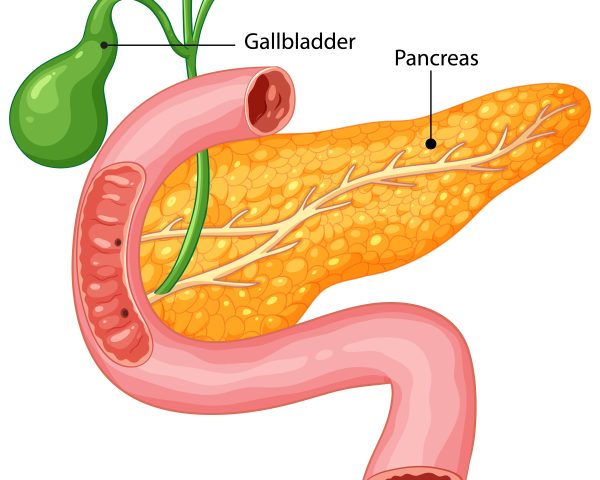 What causes gallstones?
Learning the causes of the gall bladder stones will therefore assist you in how you can prevent them. Here are some key risk factors:
What causes gallstones?
Learning the causes of the gall bladder stones will therefore assist you in how you can prevent them. Here are some key risk factors:
- Excess cholesterol in bile: Usually, bile contains sufficient chemicals to digest cholesterol, which is brought out by the liver. However, if the liver is producing cholesterol in excess, then cholesterol forms a solid, stony structure.
- Too much bilirubin: Bilirubin is a pigment that is formed when red blood cells are metabolized in your body. Certain diseases that affect the liver, such as infections that increase bilirubin production, lead to the formation of these pigment stones.
- gall bladder doesn’t empty properly: When your gall bladder does not empty completely and/or is not frequent, this leads to a high concentration of bile-forming gallstones.
- Being overweight or obese.
- If a woman is pregnant or a new mother, she is most likely to experience this since hormones also affect it.
- Rapid weight loss.
- A history of gallstones running in the family.
- Age, and especially middle-aged people and seniors aged 40 and over.
- Some fat dieting or some fiber-deficient diets.
Symptoms of gall bladder Stones
gall bladder stones are quite common and you could be surprised to find out that you have them without having any symptoms to show it. However, when a gallstone blocks a bile duct, it can lead to a condition known as biliary colic, which causes:- Sudden, intense pain in the upper right abdomen: gallstones are best identified for this sign. It can also spread to your back or your right shoulder blade and it will take several minutes to a few hours to subside.
- Nausea or vomiting: gall bladder stones may lead to digestive problems and an uncomfortable feeling.
- Indigestion, bloating, and gas: This is because if a gallstone blocks your bile ducts, it would affect the normal digestion process and lead to chronic bloating and indigestion.
- Fever and chills.
- Jaundice.
- Severe pain that lasts and does not cease even after a few hours.
- Cholecystitis: An inflammatory condition resulting from the occlusion of the bile passage in the gall bladder. It may cause extreme pain, a high fever, and a possible consequent infection.
- Pancreatitis: When a gallstone reaches the pancreatic duct, it produces inflammation of the pancreas, which results in either severe, constant abdominal pain or possibly even organ damage.
- Bile Duct Infection: Gallstones are likely to cause infections in the bile ducts and if not managed properly, the diseases spread to other parts of the body.
- gall bladder Cancer: Long standing gallstones are known to pose a risk factor for gall bladder cancer, although this is a very uncommon condition.
- Chronic pain that is not relieved after a few hours.
- Nausea or vomiting with pain in the abdomen.
- Fever or chills due to possible presence of an infection.
- Yellowing of your skin or eyes.
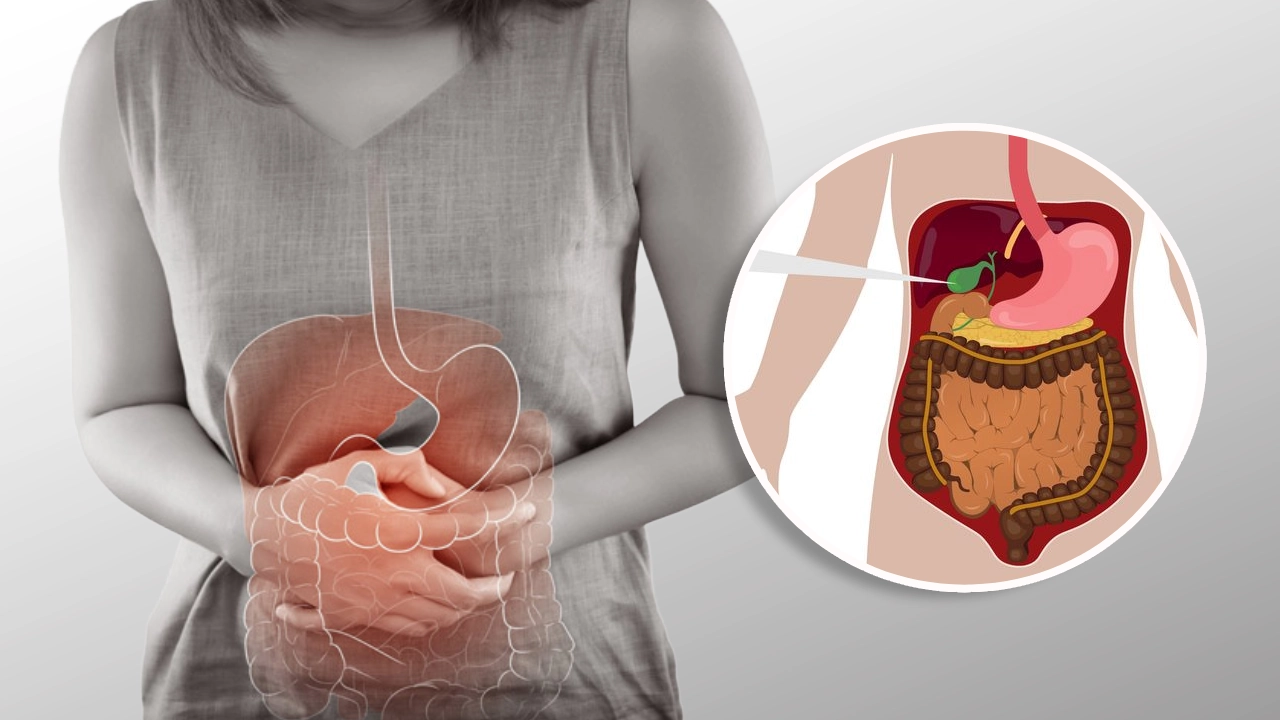 Treatment options for gall bladder Stones
In case you are diagnosed with gallstones, doctor’s at Surgikure will advise you about the right treatment depending on the intensity of the experienced complaints. The main options include:
Treatment options for gall bladder Stones
In case you are diagnosed with gallstones, doctor’s at Surgikure will advise you about the right treatment depending on the intensity of the experienced complaints. The main options include:
- Watchful waiting
- Medications
- Surgical removal of the gall bladder includes open cholecystectomy, laparoscopic cholecystectomy, and surgical ERCP.
- Laparoscopic cholecystectomy: A surgery where the surgeon operates with small cuts to remove the organ called the gall bladder. While rare, an overnight stay is sometimes required, and rarely is a patient admitted for more than a day.
- Open Cholecystectomy: In the more complicated cases, however, open surgeries are required. This is done through a cut through the abdominal wall; the recovery time after surgery is longer than that of a laparoscopic surgery.
- Non-surgical treatments
- Maintain a healthy weight: Obesity causes a buildup of cholesterol in the gall bladder and hence overweight persons are prone to the formation of gallstone dissolution, which is an important characteristic.
- Eat a balanced diet: Try to include fiber-containing foods and limit the intake of fats that congest the gall bladder.
- Stay active: Physical activity, on the other hand, can maintain bowel regularity and thus decrease the incidence of developing gallstones.
- Avoid rapid weight loss: In case you are managing your weight, try to do it in a slow and consistent manner; do not resort to diets that can spur the formation of gallstones.
- What foods to avoid if I have gallstones?
- How long can gallstones last?
- What would be some ways that could help to avoid the formation of gallstones?
- When is the right time to remove gallstones?
Ready to consult a specialist?
Free first consultation at SurgiKure. Same-day appointments available.