📝 Table of Contents
Hiatal Hernia Foods Not to Eat: Diet Guide, What to Avoid & What Helps
Your stomach feels like it's staging a rebellion against your chest. That burning sensation creeping up your throat at night. The uncomfortable bloating that makes you loosen your belt after meals. If you're dealing with a hiatal hernia, you already know how miserable it can be—and you've probably figured out that what you eat plays a major role in how you feel. The truth is, managing a hiatal hernia doesn't always require surgery right away. For many patients, dietary modifications and lifestyle changes can significantly reduce symptoms and improve quality of life. This comprehensive guide walks you through exactly which hiatal hernia foods not to eat, what you should embrace instead, and when it's time to consult a specialist.Understanding Hiatal Hernia: The Basics
Before we dive into specifics about hiatal hernia diet, let's clarify what we're dealing with. A hiatal hernia occurs when part of your stomach pushes through the hiatus—an opening in your diaphragm—and into your chest cavity. This anatomical shift disrupts normal digestive function and frequently triggers acid reflux, chest pain, and difficulty swallowing. Common hiatal hernia causes include:- Chronic coughing or straining
- Heavy lifting with improper technique
- Obesity and excess abdominal pressure
- Pregnancy
- Aging (the diaphragm naturally weakens over time)
- Repetitive intense exercise
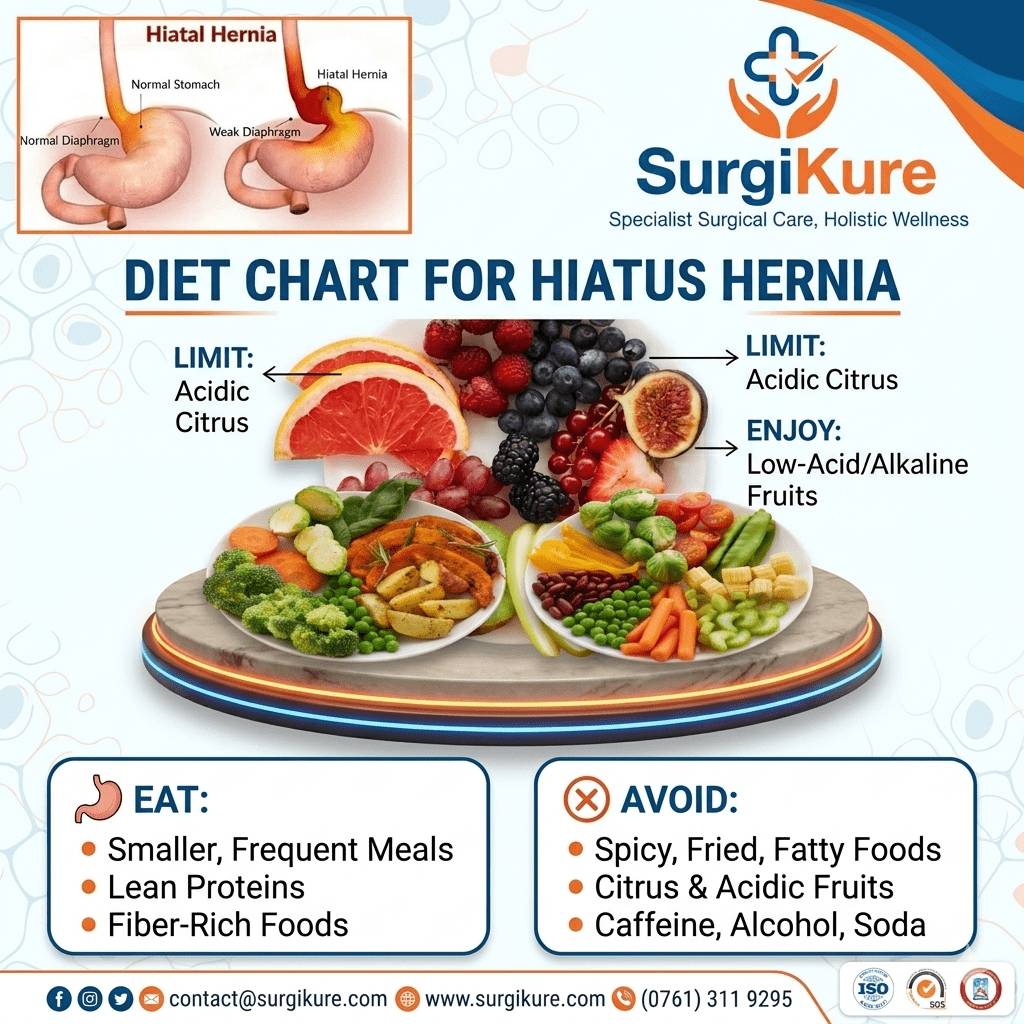
Hiatal Hernia Foods Not to Eat: The Complete Avoidance List
Understanding which foods to avoid is the foundation of managing your condition. These are the primary culprits that aggravate hiatal hernia symptoms in most patients.Acidic and Citrus Foods
Your stomach acid is already problematic with a hiatal hernia. Adding more acid through diet only intensifies the problem. Avoid these acidic foods:- Citrus fruits (oranges, lemons, limes, grapefruit)
- Tomatoes and tomato-based products (sauces, ketchup, soups)
- Vinegar and vinegar-containing products
- Pickled vegetables
- Pineapple
- Strawberries and other high-acid berries
- Apple juice and orange juice
Fatty and Fried Foods
High-fat foods are among the worst hiatal hernia foods not to eat. Here's why: fat slows gastric emptying, meaning food stays in your stomach longer, creating prolonged pressure on the LES. Foods to eliminate:- Fried chicken, fish, and shrimp
- French fries and chips
- Creamy sauces and gravies
- Full-fat dairy (whole milk, cream, ice cream)
- Butter and heavy oils
- Fatty cuts of meat (bacon, sausage, ground beef)
- Avocado (high fat content)
- Nuts and seeds in large quantities
- Chocolate (contains both fat and caffeine)
Spicy Foods
Spices are another major trigger. They irritate the stomach lining and can relax the lower esophageal sphincter, allowing acid to escape. Spicy foods to avoid:- Hot peppers (jalapeños, habaneros, ghost peppers)
- Curry and curry-based dishes
- Chili and chili powder
- Hot sauce and salsa with spices
- Wasabi and horseradish
- Black pepper (in large amounts)
- Garlic and onions (though milder, still irritating for some)
Caffeinated Beverages
Caffeine directly relaxes the lower esophageal sphincter and increases stomach acid production—a double blow for hiatal hernia sufferers. Eliminate or drastically reduce:- Coffee (regular and decaf contains some caffeine)
- Strong black and green tea
- Energy drinks
- Caffeinated sodas
- Chocolate-containing beverages
- Some over-the-counter pain relievers containing caffeine
Alcohol and Carbonated Beverages
Both alcohol and carbonation irritate the digestive tract and contribute to reflux. Avoid entirely:- Beer, wine, and spirits
- Champagne and sparkling wine
- Soda and carbonated soft drinks
- Sparkling water (yes, even the "healthy" option)
- Energy drinks with carbonation
Chocolate
While technically a food, chocolate deserves special mention. It contains theobromine, a compound similar to caffeine that relaxes the LES. Additionally, most chocolate contains significant fat. Eliminate:- Dark chocolate
- Milk chocolate
- Chocolate spreads and sauces
- Chocolate milk
- Chocolate candy
Mint and Peppermint
Though often promoted for digestive health, mint actually relaxes the lower esophageal sphincter in hiatal hernia patients. Avoid:- Peppermint tea
- Spearmint tea
- Mint-flavored gum and candy
- Toothpaste with mint (just don't swallow it, but be cautious)
The Best Hiatal Hernia Diet: Foods That Help
Now for the good news—there are plenty of delicious, nutritious foods that actually help manage your symptoms.Lean Proteins
Excellent choices:- Skinless chicken breast
- Turkey
- Fish (non-fried): salmon, cod, tilapia
- Egg whites
- Lean ground turkey
- Tofu and tempeh
- Low-fat Greek yogurt
Healthy Vegetables
Great options:- Leafy greens: spinach, kale, lettuce
- Broccoli
- Green beans
- Asparagus
- Cucumbers
- Carrots (cooked are easier to digest)
- Bell peppers (non-spicy varieties)
- Zucchini
Non-Acidic Fruits
Safe choices:- Bananas
- Apples (less acidic varieties)
- Pears
- Melons
- Grapes
- Berries (blueberries, raspberries in moderation)
Whole Grains
Healthy options:- Oatmeal
- Brown rice
- Whole wheat bread
- Whole grain pasta
- Barley
- Quinoa
Healthy Fats in Moderation
Use sparingly:- Olive oil (small amounts)
- Fish oil (omega-3s help with inflammation)
- Low-fat salad dressings
Eating Habits That Matter as Much as Food Choices
What you eat is only half the equation. How you eat significantly impacts hiatal hernia symptoms. Critical eating habits for hiatal hernia diet management:- Eat smaller, frequent meals – Instead of three large meals, try five to six smaller ones. Large meals increase stomach pressure and worsen hernia symptoms.
- Don't eat within 3 hours of bedtime – Lying flat allows acid to flow into your esophagus more easily. Give gravity time to work.
- Chew thoroughly – Proper chewing reduces the work your stomach must do and prevents overeating.
- Eat slowly – This simple practice gives your stomach time to signal fullness to your brain, preventing overconsumption.
- Stay upright after meals – Sit or stand for at least 30 minutes after eating. If possible, take a short walk.
- Avoid eating when stressed – Stress reduces digestive secretions and can trigger symptoms. Eat in a calm environment.
- Stay hydrated between meals – Drink water outside of meal times, not during or immediately after eating, which can distend your stomach.
- Maintain proper posture – Slouching increases abdominal pressure. Sit upright, stand tall.
Hiatal Hernia Symptoms: When Diet Alone Isn't Enough
Most people experience hiatal hernia symptoms in the form of acid reflux. However, the severity and type of symptoms vary considerably. Common symptoms include:- Heartburn and acid regurgitation
- Chest pain or discomfort
- Difficulty swallowing (dysphagia)
- Belching and bloating
- Nausea
- Regurgitation of food or liquids
- Feeling unusually full quickly
Hiatal Hernia Treatment Options: Beyond Diet
While a well-planned hiatal hernia diet can manage symptoms effectively, some patients require professional treatment. Modern surgical options have come a long way from traditional open surgery. Treatment approaches include: Conservative Management: Dietary modification, lifestyle changes, and medications (antacids, H2 blockers, proton pump inhibitors) work for many patients. Minimally Invasive Laparoscopic Surgery: When surgery becomes necessary, laparoscopic techniques involve small incisions and shorter recovery times compared to open surgery. Laser-Assisted Surgery: At SurgiKure, we offer advanced laser treatment options for hiatal hernia that provide precision, reduced tissue damage, and faster healing. Our surgeons utilize state-of-the-art laser technology to tighten the lower esophageal sphincter and reposition the stomach with minimal disruption to surrounding tissues.When to See a Doctor About Your Hiatal Hernia
Not every case of occasional heartburn requires medical intervention. However, you should seek professional evaluation if:- Your symptoms persist despite dietary changes
- You experience severe chest pain
- You have difficulty swallowing that's getting worse
- You're losing weight unintentionally
- You have chronic cough or hoarseness
- Your symptoms interfere with sleep or daily activities
- Over-the-counter antacids no longer work
Why Choose SurgiKure for Hiatal Hernia Care
If you've tried dietary modifications and lifestyle changes without adequate relief, SurgiKure offers comprehensive, cutting-edge treatment options across multiple locations. SurgiKure Advantages:- Expert surgical team specializing in hernia and GI surgeries
- Laser-assisted surgical options for precise, minimally invasive treatment
- Multiple locations in Hyderabad, Visakhapatnam, and Vijayawada for convenient access
- Patient education focus – we ensure you understand your condition and treatment options
- Real clinical experience – during your consultation, we can share clinical images and outcomes from similar cases
- Affordable treatment plans with flexible payment options
Key Takeaways
✓ Hiatal hernia foods not to eat include acidic foods, fried foods, spicy foods, caffeine, alcohol, and fatty foods that relax the lower esophageal sphincter or increase stomach pressure ✓ Your hiatal hernia diet should emphasize lean proteins, non-acidic fruits, vegetables, and whole grains ✓ Eating habits matter as much as food choices – eat smaller meals, eat slowly, and avoid eating before bedtime ✓ Most symptoms improve with dietary modification and lifestyle changes, but some patients require surgical intervention ✓ Laser-assisted surgery offers advanced options for patients who don't respond adequately to conservative treatment ✓ Persistent symptoms warrant professional evaluation to determine the best treatment approach for your specific situationFrequently Asked Questions About Hiatal Hernia Diet
Q: Can I ever eat the foods I love again? A: Many patients can reintroduce trigger foods in small quantities once their condition improves with treatment. However, some foods may need permanent limitation. A specialist can guide you on this. Q: How long does it take to see improvement with dietary changes? A: Most patients notice improvement within 2-3 weeks of strict dietary adherence and lifestyle modifications. Some experience relief within days. Q: Is weight loss important for hiatal hernia management? A: Yes. Excess weight increases abdominal pressure on the hernia. Even a 5-10% weight loss can significantly reduce symptoms. Q: Will surgery cure my hiatal hernia permanently? A: Surgical repair (hiatal hernia treatment) has high success rates, though recurrence is possible in a small percentage of cases. Most patients enjoy lasting relief. Q: Can I drink water with my meals? A: Yes, but limit water intake during meals to small sips. Drink more water between meals to stay hydrated without distending your stomach.Ready for Expert Evaluation?
If you've implemented dietary changes from this hiatal hernia food list but continue experiencing symptoms, don't wait for your condition to worsen. Professional evaluation can determine whether you're a candidate for advanced treatment options like laser-assisted surgery. Please contact our health care experts for details: 7670968977 (Hyderabad), 7797377779 (Vizag/Vijayawada). Schedule your free consultation at SurgiKure today. Our specialists in Hyderabad, Visakhapatnam, and Vijayawada are ready to assess your condition and discuss treatment options tailored to your needs. During your consultation, we'll review real clinical images and outcomes so you understand exactly what to expect. Your path to relief is just one appointment away. Contact SurgiKure now for your free consultation.Ready to consult a specialist?
Free first consultation at SurgiKure. Same-day appointments available.