📝 Table of Contents
Understanding Why You Need Foods That Have High Fiber
Before we start menu planning, it is crucial to understand the biological impact of fiber. Fiber is a type of carbohydrate that the body cannot digest. Unlike other carbs that are broken down into sugar molecules, fiber passes through the body undigested. This might sound counterintuitive—why eat something we can't digest? Ideally, the magic happens because it isn't digested. When you consume foods that have high fiber, you are essentially sending a cleanup crew through your digestive system. Fiber regulates the body’s use of sugars, helping to keep hunger and blood sugar in check.The Two Main Players
There are two types of fiber, and a healthy diet requires a mix of both:- Soluble Fiber: This dissolves in water to form a gel-like material. It can help lower blood cholesterol and glucose levels.
- Insoluble Fiber: This promotes the movement of material through your digestive system and adds bulk to the stool.
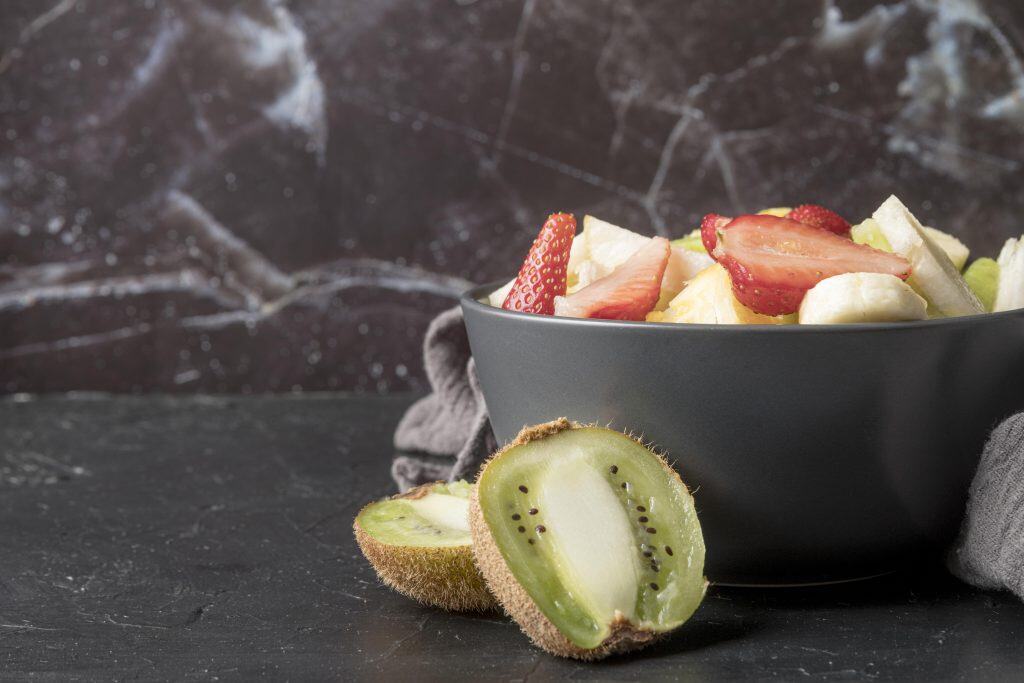
Delicious Fruit Foods That Have High Fiber
Many people fear fruit because of the natural sugar content, but this is a misconception. Fruit is packaged with water, antioxidants, and vital fiber, which slows down the absorption of sugar. Fruit represents some of the most palatable foods that have high fiber available to us.1. Raspberries and Blackberries
Berries are the crown jewels of high-fiber fruits. They have a high skin-to-flesh ratio, which is where much of the fiber resides.- The Breakdown: One cup of raspberries delivers an astounding 8 grams of fiber.
- How to Eat Them: Mix them into Greek yogurt or oatmeal. Because they are delicate, buy them fresh when in season or frozen during the winter to ensure you always have access to foods that have high fiber.
2. Pears
Pears are often overlooked in favor of apples, but they actually pack more fiber punch.- The Breakdown: A medium-sized pear provides roughly 5.5 to 6 grams of fiber.
- Important Note: The majority of the fiber is in the skin. If you peel your pear, you are stripping away the very nutrient you are looking for. Eat it whole to get the full benefit of foods that have high fiber.
3. Avocados
Yes, the avocado is a fruit, and it is a nutritional anomaly. It is loaded with healthy monounsaturated fats and is incredibly high in fiber.- The Breakdown: A standard avocado contains about 10 to 13 grams of fiber depending on the size.
- How to Eat Them: Beyond guacamole, slice them onto salads or blend half an avocado into a smoothie for a creamy texture without the banana flavor. It is one of the most versatile foods that have high fiber.
4. Apples
"An apple a day" is an old adage that holds up. Apples contain pectin, a soluble fiber that is fantastic for gut health.- The Breakdown: A medium apple gives you about 4.4 grams of fiber.
- Snack Tip: Pair an apple with almond butter. The protein and fat in the nuts combined with the apple make for a perfect snack.
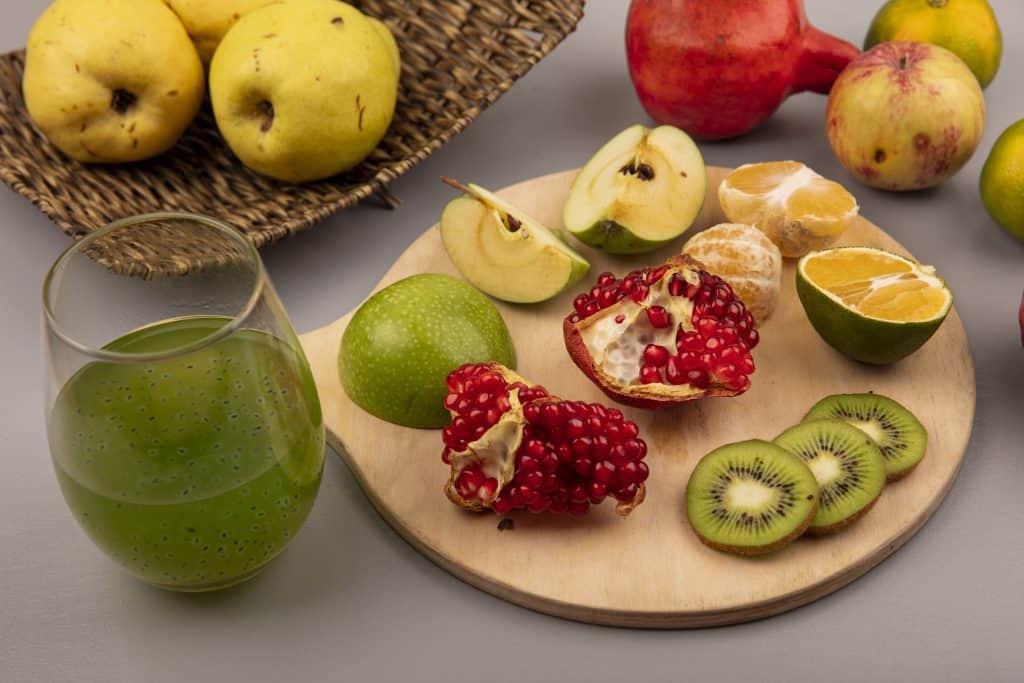
Essential Vegetable Foods That Have High Fiber
Vegetables are the cornerstone of any healthy diet. They are low in calories (energy density) but high in nutrient density. If you are looking to lose weight while feeling full, vegetable foods that have high fiber are your best friends.5. Artichokes
The artichoke is often cited as one of the vegetables with the highest fiber content per serving.- The Breakdown: One medium artichoke contains nearly 7 grams of fiber.
- Preparation: Steaming artichokes and dipping the leaves in a light vinaigrette is a slow, mindful way to eat. The "heart" of the artichoke is a delicacy that is packed with nutrition.
6. Broccoli and Cruciferous Vegetables
Broccoli, cauliflower, and Brussels sprouts fall into the cruciferous category. They contain sulforaphane (a potent antioxidant) and plenty of roughage.- The Breakdown: A cup of chopped broccoli has about 2.4 grams, while Brussels sprouts offer about 4 grams per cup.
- Cooking Tip: Roasted Brussels sprouts with a little balsamic glaze can convert even the biggest vegetable haters. When seeking foods that have high fiber, never skip the cruciferous aisle.
7. Carrots
Carrots are crunchy, sweet, and highly portable. They are high in beta-carotene and insoluble fiber.- The Breakdown: One cup of raw carrots contains 3.6 grams of fiber.
- Usage: Baby carrots are an easy snack, but roasting whole carrots brings out a sweetness that makes them feel like a treat.
8. Beets
Beets are rich in folate, iron, copper, manganese, and potassium. They are also excellent sources of inorganic nitrates, which have benefits for blood pressure.- The Breakdown: One cup of beets contains 3.8 grams of fiber.
- How to Eat Them: Roast them and add them to a salad with goat cheese. The earthy flavor provides a nice contrast to leafy greens, increasing your total intake of foods that have high fiber.
Legume and Bean Foods That Have High Fiber
If we were to award a gold medal for fiber content, legumes would win every time. Beans, lentils, and peas are the most cost-effective source of nutrition on the planet. They are shelf-stable and can be added to almost any savory dish. Integrating legumes is the fastest way to increase your intake of foods that have high fiber.9. Lentils
Lentils are a nutritional powerhouse. They cook faster than dried beans and don't require soaking.- The Breakdown: One cup of cooked lentils offers a massive 13.1 grams of fiber.
- Recipe Idea: Lentil soup is a classic, but you can also use lentils as a meat substitute in Bolognese sauce or taco fillings.
10. Chickpeas (Garbanzo Beans)
Chickpeas are beloved globally, from Indian chana masala to Middle Eastern hummus.- The Breakdown: One cup of cooked chickpeas has about 12.5 grams of fiber.
- Snack Hack: Roast chickpeas in the oven with paprika and cumin until they are crunchy. They make a fantastic alternative to potato chips when you are craving salty foods that have high fiber.
11. Split Peas
Split pea soup is old-fashioned comfort food, but it is also a modern superfood profile.- The Breakdown: One cup of cooked split peas contains 16.3 grams of fiber.
- Why it Works: This high fiber content keeps you full for hours, preventing the afternoon "crash" and sugar cravings.
12. Kidney Beans and Black Beans
These are staples in chili and Mexican cuisine. They are high in protein and fiber, making them excellent for muscle repair and digestion.- The Breakdown: Both offer roughly 13 to 15 grams of fiber per cooked cup.
- Tip: Always rinse canned beans to remove excess sodium before cooking.
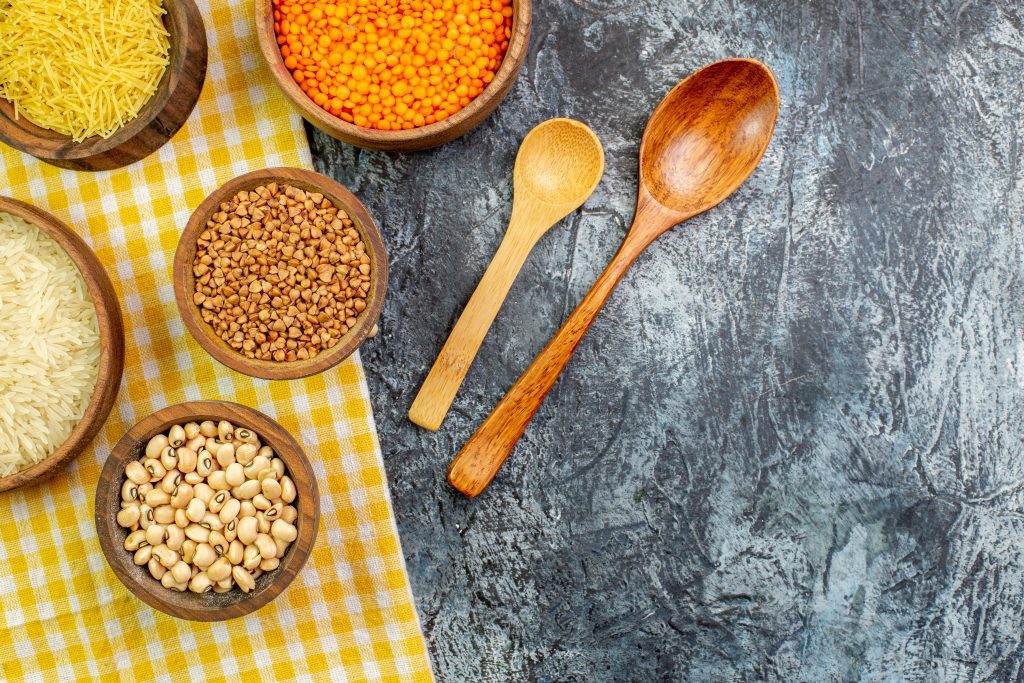
Whole Grain Foods That Have High Fiber
For years, diet culture told us to avoid carbs. This was detrimental advice because it caused many to cut out whole grains. While refined white bread and pasta are devoid of nutrients, whole grain foods that have high fiber are essential for heart health.13. Oats
Oats are one of the healthiest grains on earth. They contain a powerful soluble fiber called beta-glucan, which has major beneficial effects on blood sugar and cholesterol levels.- The Breakdown: A cup of raw oats contains 16.5 grams of fiber.
- Preparation: Overnight oats are a convenient way to ensure you start your day with foods that have high fiber. Soak them in almond milk with chia seeds for an extra boost.
14. Popcorn
Surprise! Popcorn is a whole grain. If you skip the movie theater butter and salt, it is a very healthy snack.- The Breakdown: Three cups of air-popped popcorn contain 3.6 grams of fiber.
- Why it’s Great: You can eat a large volume of popcorn for relatively few calories, satisfying the need to munch while providing fiber.
15. Quinoa
Technically a pseudo-cereal, quinoa is eaten like a grain. It is one of the few plant foods that provides a complete protein profile (all essential amino acids).- The Breakdown: One cup of cooked quinoa has 5.2 grams of fiber.
- Usage: Use quinoa as a base for "grain bowls" or swap it in wherever you would normally use white rice to instantly upgrade your meal to include more foods that have high fiber.
Nut and Seed Foods That Have High Fiber
Nuts and seeds are calorically dense, so portion control is key, but their nutrient profile is unmatched. They add texture and crunch to meals.16. Chia Seeds
These tiny black seeds are almost pure fiber. They expand in your stomach, helping you feel full.- The Breakdown: One ounce (2 tablespoons) of chia seeds contains nearly 10 grams of fiber.
- How to Use: Sprinkle them on yogurt, blend them into smoothies, or make "chia pudding." They are practically tasteless, making them the easiest of all foods that have high fiber to hide in other dishes.
17. Almonds
Almonds are high in healthy fats, vitamin E, and magnesium.- The Breakdown: Three tablespoons of almonds provide about 4 grams of fiber.
- Snack: Keep a small bag of raw almonds in your car or purse for emergency hunger pangs.
Menu Planning with Foods That Have High Fiber
Knowing the ingredients is step one; putting them together is step two. Here is how a day of eating foods that have high fiber might look:- Breakfast: Oatmeal made with water or oat milk, topped with a tablespoon of chia seeds and half a cup of raspberries. (Est. Fiber: 12g)
- Lunch: A large salad with mixed greens, half an avocado, half a cup of chickpeas, and roasted beets. (Est. Fiber: 14g)
- Snack: A medium pear and a handful of almonds. (Est. Fiber: 8g)
- Dinner: Grilled salmon (or tofu) served over a bed of quinoa with a side of roasted Brussels sprouts. (Est. Fiber: 9g)

Important Tips When Transitioning to Foods That Have High Fiber
If you are currently eating a low-fiber diet (standard American diet), reading this might make you want to overhaul your fridge immediately. However, a word of caution is necessary.1. The "Low and Slow" Approach
If you increase your fiber intake from 10 grams to 40 grams overnight, you will likely experience significant bloating, cramping, and gas. Your gut bacteria need time to adjust to the new influx of foods that have high fiber. Increase your intake gradually over the course of two to three weeks.2. Hydration is Non-Negotiable
Fiber works by absorbing water. If you eat a lot of fiber but don't drink enough water, the fiber can actually cause constipation instead of relieving it. Think of it like a water slide—without the water, nothing moves. When you prioritize foods that have high fiber, you must also prioritize your water bottle.3. Diversity Matters
Don't just rely on one source. Don't only eat Metamucil or only eat broccoli. A healthy microbiome requires a diverse array of plants. Try to eat 30 different plant foods a week. This ensures you are getting different types of fibers (prebiotics) to feed different types of good bacteria.Conclusion: Embracing Foods That Have High Fiber for Life
Changing your diet can feel overwhelming, but focusing on fiber is one of the most forgiving and rewarding paths to health. It isn't about restriction; it is about abundance. It is about adding color, texture, and flavor to your plate. By centering your meals around foods that have high fiber, you are investing in your future self. You are protecting your heart, nurturing your gut, and stabilizing your energy levels. The next time you are at the grocery store, challenge yourself to pick up a new fruit, a different grain, or a can of beans you haven't tried before. Your body will thank you. Remember, health isn't built in a day, but it is built one meal at a time. Start incorporating these nutrient-dense foods today, and enjoy the journey toward a healthier, more vibrant you.Ready to consult a specialist?
Free first consultation at SurgiKure. Same-day appointments available.